All Categories
Featured
Table of Contents
Climate-Resilient Grounds in the Southern California region
In 2026, the visual identity of commercial properties across the local area has undergone a visible shift. The thirsty, manicured turf that once defined office parks and retail centers is being replaced by flora that actually belongs in this Mediterranean climate. This movement toward native plant installations is not merely a stylistic choice. It is a necessary response to the persistent drought cycles and rising maintenance costs that have reshaped property management over the last few years. By moving away from exotic species that require constant irrigation, businesses are finding that they can maintain a professional image while drastically shrinking their environmental impact.
The transition in 2026 is driven by both state mandates and a shift in corporate values. Modern commercial sites now prioritize species like California Lilac, Manzanita, and various sages. These plants have adapted over thousands of years to survive on the limited rainfall typical of California. When these species are used in Sustainable Commercial Landscape Programs And Practices, the reduction in water use is often as high as 70 percent compared to traditional grass. This allows property managers to redirect funds toward other improvements, rather than literally pouring money into the ground through irrigation systems.
Design innovation has reached a point where native gardens no longer look like unkempt brush. In 2026, high-end retail centers in the surrounding suburbs use structural natives to create architectural interest. Tall desert willows provide light shade, while low-growing succulents offer geometry and texture. This sophisticated approach proves that sustainability does not require a sacrifice in curb appeal. In fact, many property owners find that native plants offer a unique aesthetic that sets their buildings apart from the generic green boxes of the past. Facility managers often seek expertise in Pacific Green Landscape Maintenance Services to ensure plant health and longevity throughout the seasons.
Economic Incentives and Resource Management in 2026

The financial side of groundskeeping has changed. In 2026, the price of water for commercial users has reached record highs, making traditional turf almost impossible to justify on a balance sheet. Local water districts in California offer significant rebates for every square foot of grass removed and replaced with climate-appropriate plants. These incentives often cover a large portion of the installation costs, shortening the timeframe for a return on investment. Furthermore, native plants require significantly less chemical intervention. They do not need the heavy fertilizers or pesticides that non-native species require to survive in the local soil.
Labor requirements also shift when a property adopts native flora. While a lawn requires weekly mowing and edging, a native garden might only need pruning once or twice a year. This reduction in heavy machinery use also lowers the carbon footprint of the site by eliminating the emissions from gas-powered mowers and blowers. Large-scale developers are increasingly turning to Pacific Green Landscape Maintenance Green Landscape Solutions to meet state standards regarding water runoff and biodiversity. By choosing plants that naturally filter rainwater into the local aquifer, these properties help prevent the pollution of nearby coastal waters.
In 2026, smart technology works alongside native installations. Sensors buried in the soil monitor moisture levels, ensuring that plants receive water only when absolutely necessary. This precision management prevents the overwatering that often kills native species, which are susceptible to root rot if kept too damp. The combination of hardware and biology makes the modern commercial space a model of efficiency. Properties in this part of the state are proving that smart design can mitigate the harsh realities of a changing climate.
Supporting Local Wildlife and Urban Cooling
The environmental footprint of a building is measured by more than just its energy bill. Native plant installations create small islands of habitat within urban centers like the local metro area. In 2026, many corporate campuses have reported the return of local pollinators, such as the monarch butterfly and various species of native bees. These small biological wins contribute to the health of the entire region. By providing food and shelter for local fauna, commercial properties become part of a larger network of natural corridors that support regional biodiversity.
Another major concern in 2026 is the urban heat island effect. Concrete and asphalt absorb heat, making city centers several degrees hotter than the surrounding countryside. Traditional grass does little to combat this, especially when it is dormant or dead. However, native trees and shrubs provide real cooling through transpiration and shade. A well-designed native installation can lower the surface temperature of a parking lot by as much as 15 degrees Fahrenheit. This natural cooling reduces the demand on a building's air conditioning system, further lowering energy consumption and costs.
Architects are now integrating these green spaces directly into the building's footprint. Rooftop gardens and vertical walls featuring California natives help insulate structures. This holistic approach to Sustainable Commercial Landscape Programs And Practices ensures that every inch of the property is working to reduce the overall environmental load. Local statistics show a rising demand for Pacific Green Landscape Maintenance for Efficiency among tech campuses and medical centers that want to offer staff and visitors a serene, natural environment.
The Long-Term Outlook for Commercial Real Estate
By the middle of 2026, the trend of native plant integration has become the standard rather than the exception. Prospective tenants, especially those in the younger demographic, prioritize offices and storefronts that demonstrate environmental responsibility. A property that still has a lush, green lawn in the middle of a drought is increasingly seen as a liability or a sign of poor management. Native plants signal that a business is forward-thinking and prepared for the resource constraints of the future.
The health of the soil is another factor that property owners are considering more carefully in 2026. Native plants help rebuild the soil structure, using deep root systems that can extend several feet underground. These roots break up compacted dirt and allow for better water penetration. This is particularly useful in areas of the local county that deal with heavy clay soils. Over time, the soil becomes more fertile and capable of supporting a wider variety of life, all without the need for synthetic additives.
Maintenance teams have also adapted. The specialized knowledge required to care for California natives has become a sought-after skill set. Workers are trained to recognize the difference between a plant that is naturally dormant and one that is in distress. This shift in expertise reflects a deeper understanding of the local environment. Commercial spaces are no longer trying to force a Midwestern aesthetic onto a Mediterranean terrain. Instead, they are celebrating the unique beauty of the local flora.
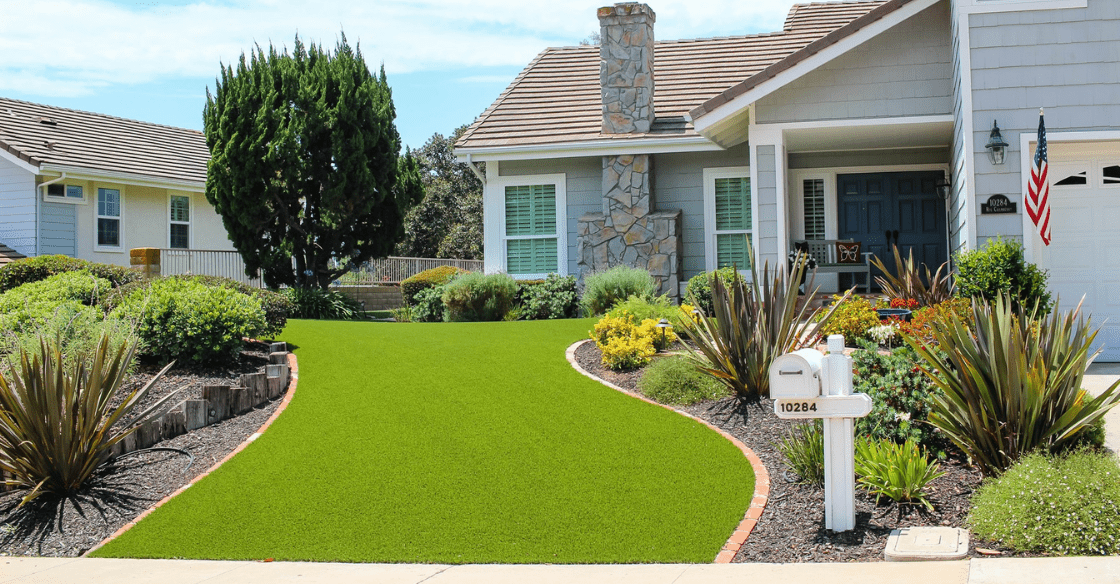
The focus on native plant installations in 2026 represents a maturation of commercial design. It is a move away from the superficial and toward the functional. As the year progresses, the success of these projects continues to inspire more renovations. Each new installation reduces the total demand on the state's water supply and provides a blueprint for how urban areas can coexist with the natural world. The footprints of these commercial spaces are smaller, but their positive impact on the community is larger than ever.

Latest Posts
Is Your Commercial Parking Lot Island Landscaping And Design Costing You Potential Clients?
Selecting Premium Materials for Sustainable Commercial Landscape Programs And Practices